
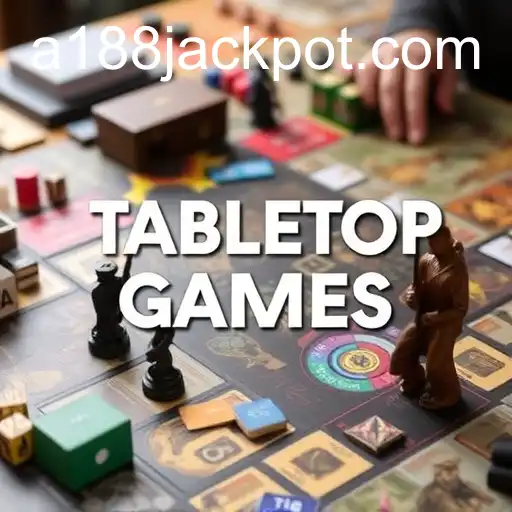
A188 | Exploring the World of Tabletop Games
A188’s Explore the fascinating world of tabletop games, from their history and evolution to the vibrant communities and innovative future that keep them relevant and beloved across generations.
Exploring the World of Tabletop Games
Tabletop games have experienced a remarkable resurgence in popularity over the past few decades. With the influx of digital entertainment, one might have assumed that traditional games like board games, card games, and role-playing games (RPGs) would dwindle. However, the vibrant and expressive nature of these games has only served to endear them to new generations. This article delves deep into the fascinating universe of tabletop gaming, exploring its diverse genres, thriving communities, and the unique charm it holds.
The Genesis and Evolution of Tabletop Games
Tabletop games have been a cornerstone of human entertainment for centuries. These games date back to ancient times, with evidence of board games like Senet in Egypt and Go in China. Over the years, the evolution of tabletop games has mirrored cultural shifts and advancements in technology. The 20th century witnessed a revolutionary change with the introduction of titles like Monopoly and Risk, which soon became household names.
In parallel, the tabletop RPG genre emerged, revolutionizing how games were played. The release of Dungeons & Dragons in the 1970s marked a pivotal moment. These RPGs offered more than just strategic or competitive play—they presented a rich narrative experience, inviting players into a world where imagination was king.
The Varied Landscape of Tabletop Games
Board Games
Board games form a broad category that includes classic titles as well as modern gems. From the strategy-heavy games like Chess to family-friendly favorites such as Scrabble, board games offer something for everyone. Modern board gaming has seen an explosion of creativity, with Eurogames gaining prominence. These games, known for their strategic depth and economic themes, include popular titles like Settlers of Catan and Carcassonne.
Card Games
Card games, too, have carved out their unique niche in the tabletop gaming world. They range from traditional games like Poker and Bridge to trading card games (TCGs) such as Magic: The Gathering. TCGs have garnered a massive following, offering both competitive and casual play. The strategic element of deck-building and the thrill of competition in games like these have kept players engaged over the years.
Role-Playing Games
The RPG sector is perhaps one of the most dynamic areas within tabletop gaming. These games allow players to assume the roles of fictional characters, embarking on adventures guided by a game master. Titles such as Dungeons & Dragons, Pathfinder, and Shadowrun have established themselves as leading figures in this genre. The ability to weave intricate stories and overcome challenges together is not just entertaining but also deeply fulfilling.
Furthermore, the genre has expanded with the growth of indie role-playing games, which often explore unique narratives and mechanics. These games frequently focus on storytelling and character development over complex rule systems, appealing to a broad audience.
The Impact of Technology on Tabletop Gaming
While tabletop games originated in a pre-digital era, technology has had a significant impact on their accessibility and popularity. The internet has facilitated the creation of online communities and platforms where enthusiasts can share ideas, strategies, and even play games with others around the world.
Digital Adaptations
Many beloved tabletop games have found new life in digital adaptations. Services like Steam and mobile app stores offer a plethora of options for players looking to enjoy their favorites virtually. These digital versions often include features like online multiplayer and scenarios, which can enhance the gaming experience while preserving the essence of the original games.
Virtual Tabletop Platforms
The rise of virtual tabletop platforms has been a transformative development for RPGs. Tools like Roll20 and Fantasy Grounds allow players to convene remotely, maintaining the social aspect that is so integral to these games. Virtual tabletops provide digital assets such as maps and virtual dice, recreating the in-person experience within a digital interface.
The Community and Culture of Tabletop Games
Tabletop gaming is not just about the games themselves but also the vibrant communities that have formed around them. Local game stores, conventions, and online forums have become hubs of activity and interaction. These communities foster inclusivity and creativity, often welcoming new players with open arms.
Game nights, organized events, and tournaments provide opportunities for people to gather, share their passion, and learn from each other. The social dimension of tabletop gaming is perhaps one of its most appealing qualities, offering players an escape from screens and an opportunity to forge genuine connections.
The Future of Tabletop Games
The enduring appeal of tabletop games suggests a bright future ahead. As designers continue to innovate, incorporating new themes, mechanics, and technologies, the landscape of tabletop gaming will undoubtedly evolve further. The resurgence of interest has led to a convergence between digital and physical gaming, opening up new possibilities for hybrid experiences.
While the digital age continues to shape various aspects of entertainment, the tactile, social, and imaginative elements of tabletop games ensure their place in the pantheon of leisure activities. Whether it is the strategy of board games, the unpredictability of card games, or the storytelling richness of RPGs, tabletop games offer unique experiences that are cherished by players worldwide.
